Spinal TB: what it is
Spinal TB happens when the germs that cause tuberculosis spread to the spine, usually through the blood from the lungs or another part of the body. It is also called Pott's spine. Many people with spinal TB do not have a cough or any obvious TB in the lungs.
Read moreShow less
The infection usually starts in the front part of the spinal bones (vertebrae) and the disc between them. Over time it can weaken and collapse the bones, causing a bend or hump in the back (kyphosis or gibbus). Pus can collect around the spine (a cold abscess) and may press on the spinal cord or nerves.
Spinal TB most often affects the middle (thoracic) and lower (lumbar) spine. It can occur at any age. It is more common in people with poor nutrition, diabetes, HIV, or close contact with someone who has TB.
Symptoms
How it is diagnosed
Diagnosis starts with your history and a careful examination of the spine and nerves. Blood tests such as ESR and CRP (markers of inflammation) are often raised, but they do not prove TB on their own.
Read moreShow less
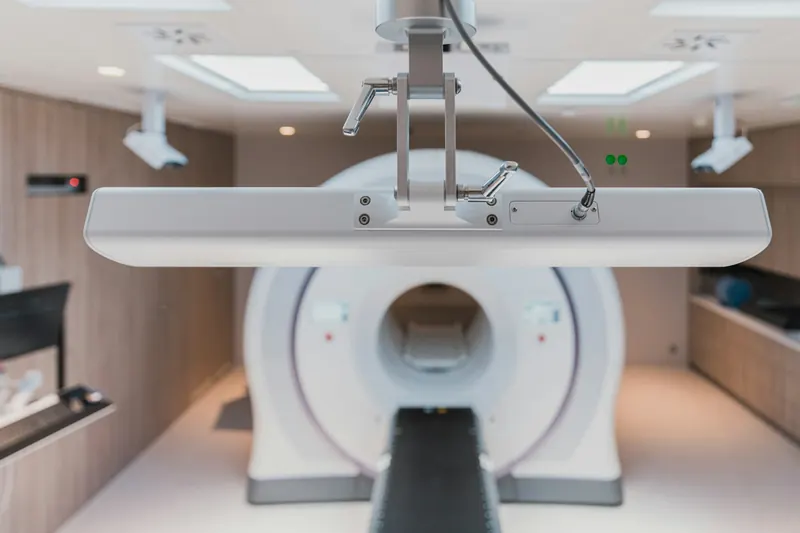
An MRI of the spine is the main imaging test. It shows infection in the bones and discs, any collection of pus, and whether the spinal cord is under pressure. Spine X-rays and a chest X-ray may also be done.
Where possible, the diagnosis is confirmed by taking a sample from the infected area, usually with a needle under CT guidance or during surgery. The sample is tested for TB germs, including a rapid molecular test (often called CBNAAT in India) that also checks for drug resistance, and is examined under a microscope.
Treatment options
Step 1
Without surgery
Most people with spinal TB are treated with anti-TB medicines alone, without surgery. The course is long, often around a year or more for spinal TB, as decided by your doctor. Medicines must be taken every day without missing doses, even after you start to feel better. Stopping early can make the infection come back or become drug-resistant.
Read moreShow less
Anti-TB treatment is also available through India's National TB Elimination Programme. A spinal brace may be advised to support the spine while the bones heal. Good nutrition, rest in the early phase, regular follow-up with blood tests and scans, and physiotherapy all help recovery.
If needed
When surgery helps
Surgery is considered when there is pressure on the spinal cord causing weakness or loss of bladder control, when weakness gets worse despite medicines, when the spine is unstable or the bend is increasing, when a large abscess is not improving with treatment, or when the diagnosis is unclear and tissue is needed.
Read moreShow less
Surgery aims to drain pus and remove infected tissue, relieve pressure on the spinal cord and nerves, and stabilise the spine, often with screws and rods. Anti-TB medicines are still needed after surgery for the full course.
Sudden or worsening weakness in the legs is an emergency. Early treatment gives the spinal cord a better chance to recover.
Recovery and outlook
With regular medicines, pain and fever usually improve over weeks, and weight and appetite slowly return. The bones heal over many months. Follow-up visits with blood tests and scans help your doctor decide when treatment can safely stop.
Read moreShow less
Many people who had weakness from spinal TB regain strength, especially when treatment starts early. Physiotherapy and rehabilitation help with walking and daily activities.
Questions patients ask
Can spinal TB be cured?
Yes. Spinal TB can usually be cured with a full course of anti-TB medicines taken regularly. Surgery is needed only in some cases, such as when the spinal cord is under pressure or the spine is unstable.
Will I need surgery for spinal TB?
Most people do not. Surgery is usually advised for leg weakness, loss of bladder or bowel control, an unstable spine, a worsening bend in the back, or when medicines alone are not working.
Is spinal TB contagious?
TB of the spine itself does not usually spread to others. However, if the person also has active TB in the lungs, that can spread through coughing. Your doctor may advise testing for family members if needed.
How long does treatment for spinal TB last?
Treatment usually continues for many months, often around a year or more. The exact length depends on how you respond. Your doctor will decide when to stop based on your symptoms, blood tests and scans.
Can I work during spinal TB treatment?
Many people return to light work once the pain settles and the doctor allows it. Heavy lifting and hard physical work are usually avoided until the spine has healed. Ask your doctor about using a brace and safe activity levels.
Disclaimer: This information is for general awareness and is not a substitute for a medical consultation. Read moreSource: Content on this website was prepared with the help of AI tools (AI-assisted) and is medically reviewed by Dr. Kshitiz Nigam, MBBS, MS, MCh (Neurosurgery), Reg. No. MP-33282.