Spine Injury: what it is
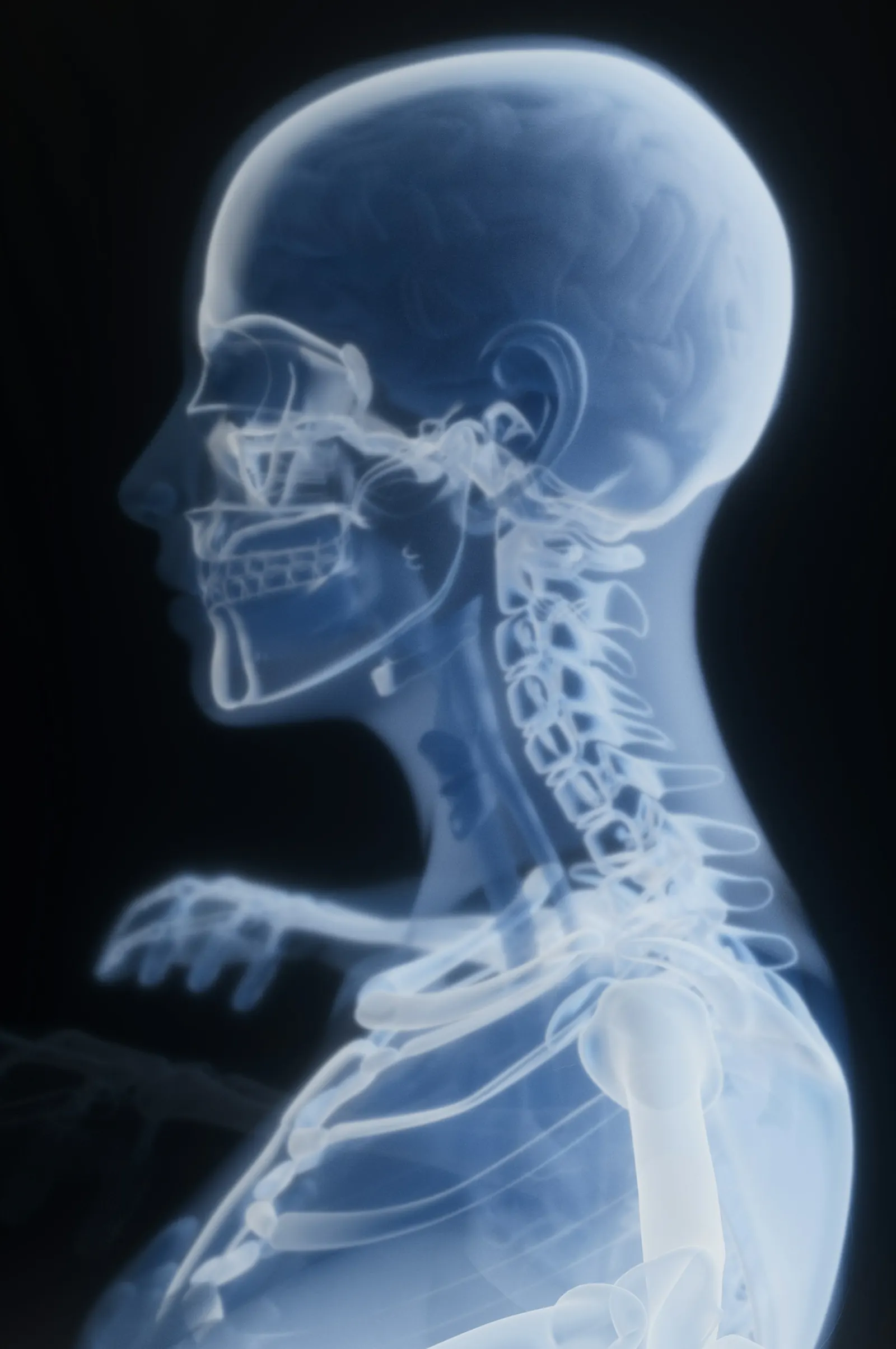
The spine protects the spinal cord, which carries messages between the brain and the body. A strong force, such as a road accident, a fall from a height (for example from a roof, tree or ladder) or diving into shallow water, can break the spinal bones (vertebrae), tear ligaments or damage the spinal cord.
Read moreShow less
Some spine injuries are stable. This means the bone is cracked but still holds its position and the spinal cord is safe. Others are unstable, which means the bones can shift and damage the spinal cord or nerves.
When the spinal cord is injured, the person may lose strength and feeling below the level of the injury. A neck injury can affect the arms, legs and breathing. An injury in the middle or lower back can affect the legs, bladder and bowel. In older people with weak bones (osteoporosis), even a minor fall can cause a spinal fracture.
Symptoms
How it is diagnosed
In the emergency department, the team first checks breathing, circulation and other injuries while keeping the spine still. The doctor then examines strength, feeling and reflexes to see whether the spinal cord or nerves are affected.
Read moreShow less
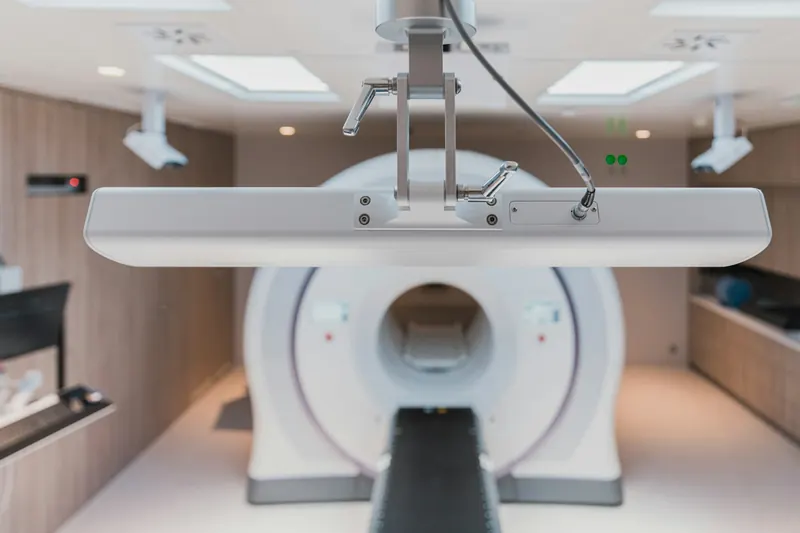
A CT scan is the main test to look for fractures of the spine. An MRI shows injury to the spinal cord, ligaments and discs, and is advised when there is weakness or numbness. X-rays may be used later to check healing.
Treatment options
Step 1
Without surgery
First aid for a suspected spine injury: call 108 or 112. Do not move the person unless they are in danger, such as from fire or traffic. Keep the head, neck and body in a straight line and hold the head still with your hands. Do not lift the person by the arms and legs, and do not try to make them sit up or walk. If they must be moved, several people should roll them together as one unit, keeping the neck and back straight.
Read moreShow less
Many stable fractures without spinal cord injury heal without surgery. Treatment usually includes a brace or collar, pain relief, and a slow return to activity with physiotherapy. Follow-up X-rays check that the bones are healing in the right position.
Spinal fractures from weak bones in older people are often treated with pain relief, a brace, early gentle movement and treatment for osteoporosis.
If needed
When surgery helps
Surgery is usually needed when the spine is unstable, when bone pieces or a disc are pressing on the spinal cord or nerves, or when weakness is getting worse. The aim is to relieve pressure on the spinal cord and nerves and to fix the spine in a stable position, often with screws and rods.
Read moreShow less
In spinal cord injury, surgery to relieve pressure is often done early, once the patient is stable enough. Surgery helps protect the spinal cord from further damage and allows earlier sitting up and rehabilitation. It cannot always reverse damage that happened at the moment of injury.
Recovery and outlook
Recovery depends on the type of injury and whether the spinal cord was damaged. People with a stable fracture and no nerve damage often return to normal activities over a few months.
Read moreShow less
Spinal cord injury needs long-term rehabilitation, including physiotherapy, skin care to prevent pressure sores, bladder and bowel care, and support for the family. Some recovery of movement and feeling can continue for many months. Helmets, seat belts, safe ladders and railings, and not diving into shallow water all help prevent spine injuries.
Questions patients ask
What should I do if I think someone has a spine injury?
Call 108 or 112 and keep the person still. Hold the head so the neck does not move, and do not lift them by the arms and legs or make them sit up. Wait for trained help unless there is immediate danger.
Does every spinal fracture need surgery?
No. Many stable fractures heal with a brace, pain relief and physiotherapy. Surgery is advised for unstable fractures or when the spinal cord or nerves are under pressure.
Can a person walk again after a spinal cord injury?
It depends on how severe the injury is. People with a partial (incomplete) spinal cord injury have a greater chance of regaining some movement than those with a complete injury. Early treatment and good rehabilitation help each person recover as much as possible.
How long does a spinal fracture take to heal?
Bones usually take about 8 to 12 weeks to heal, though full strength can take longer to return. Your doctor will check healing with X-rays before you go back to heavy work.
Can a minor fall cause a spinal fracture?
Yes, especially in older people with weak bones (osteoporosis). Sudden back pain after a minor fall, or even after lifting something, should be checked by a doctor.
Disclaimer: This information is for general awareness and is not a substitute for a medical consultation. Read moreSource: Content on this website was prepared with the help of AI tools (AI-assisted) and is medically reviewed by Dr. Kshitiz Nigam, MBBS, MS, MCh (Neurosurgery), Reg. No. MP-33282.