What is pituitary surgery?
The pituitary gland is a small gland at the base of the brain, just behind the nose and between the eyes. It controls many of the body's hormones, including those for growth, thyroid, stress, periods, fertility and water balance.
Read moreShow less
Most pituitary tumours (pituitary adenomas) are not cancer. They can cause problems in two ways. Some make too much of a hormone. Others grow large and press on the nerves for sight, causing loss of side vision, or press on the normal gland so it makes too little hormone.
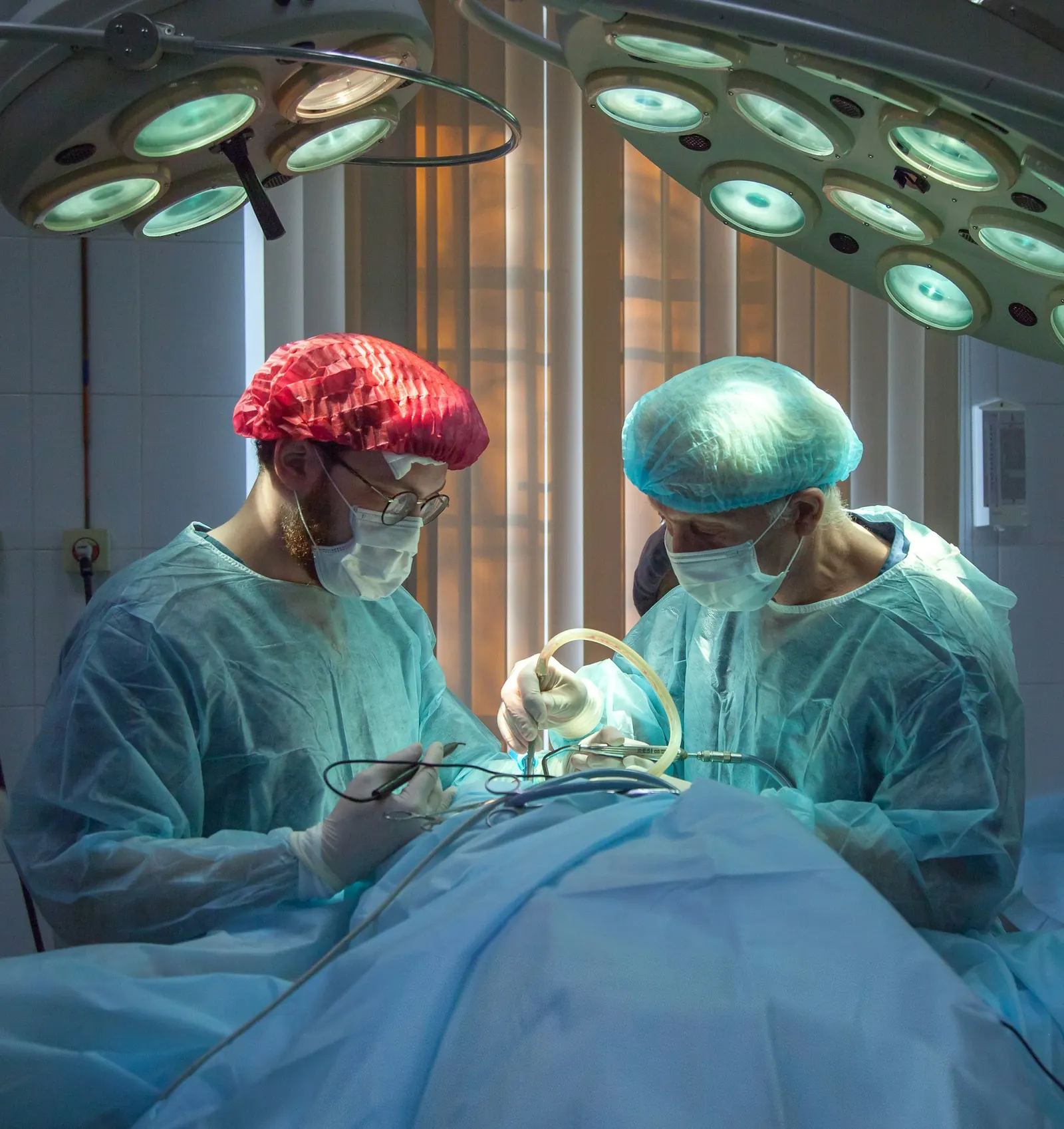
The most common operation is endoscopic transnasal transsphenoidal surgery. The surgeon passes a thin camera (endoscope) through the nostril and the sphenoid sinus (an air space behind the nose) to reach the gland and remove the tumour. Larger or unusual tumours may need a different approach through the skull.
Who may need it
Surgery is one option, not the only one. It is decided after an examination and a careful look at your scans, and non-surgical treatment is discussed first where it is suitable.
How it is done
- 1
Before surgery, an MRI of the pituitary, hormone blood tests and a detailed eye check are done. Any low hormones may be corrected first.
- 2
You are given general anaesthesia and are fully asleep.
- 3
The surgeon passes the endoscope and fine tools through one or both nostrils. An ENT (ear, nose and throat) surgeon may help with this part.
- 4
A small opening is made in the thin bone at the back of the nose to reach the sella (the bony pocket holding the pituitary gland).
- 5
The tumour is removed piece by piece while protecting the normal gland, the nerves for sight and nearby blood vessels.
- 6
The opening is sealed, sometimes with a tissue flap from inside the nose or a small graft. Soft packs may be placed in the nose for a short time.
Possible risks
Every operation carries some risk. Your surgeon will explain which of these apply to you.
Preparing for surgery
Recovery
Most patients stay in hospital for about 3 to 5 days. During this time, urine output, thirst, blood salt levels and hormones are checked closely. A blocked nose and mild headache are common for the first one or two weeks.
Read moreShow less
For a few weeks, avoid blowing your nose, straining, heavy lifting and bending forward. If you need to sneeze, keep your mouth open. Report clear watery drip from the nose, severe headache, fever, extreme thirst or passing very large amounts of urine at once.
Follow-up hormone tests are done at intervals after surgery, and an MRI is usually repeated after a few months. Some people need hormone replacement for a while or for life, managed with an endocrinologist.
Questions patients ask
Will there be a cut on my face or head?
In most cases, no. The operation is done through the nostrils, so there is no visible scar. Rarely, a larger tumour needs an opening in the skull.
Do all pituitary tumours need surgery?
No. Prolactinomas are usually treated with medicines first. Small tumours that do not affect hormones or vision are often only watched with scans. Surgery is usually advised when vision is affected, when the tumour makes certain hormones in excess, or when it keeps growing.
Will my vision improve after surgery?
Vision often improves when pressure on the nerves for sight is removed, especially when it has not been affected for very long. If the nerve has been pressed for a long time, recovery may be partial.
Will I need hormone tablets after surgery?
Some patients do, for a short time or for life, if the gland does not make enough hormones. Your hormone levels will be checked after surgery and treatment adjusted as needed.
How long will I stay in hospital?
Usually about 3 to 5 days, so that fluid balance and hormones can be watched. Some patients need longer.
Who should I see first, a neurosurgeon or an endocrinologist?
Either is a good start, as both usually work together for pituitary tumours. Take your MRI and hormone reports to the consultation so the next steps can be planned.
Disclaimer: This information is for general awareness and is not a substitute for a medical consultation. Read moreSource: Content on this website was prepared with the help of AI tools (AI-assisted) and is medically reviewed by Dr. Kshitiz Nigam, MBBS, MS, MCh (Neurosurgery), Reg. No. MP-33282.