Hydrocephalus: what it is
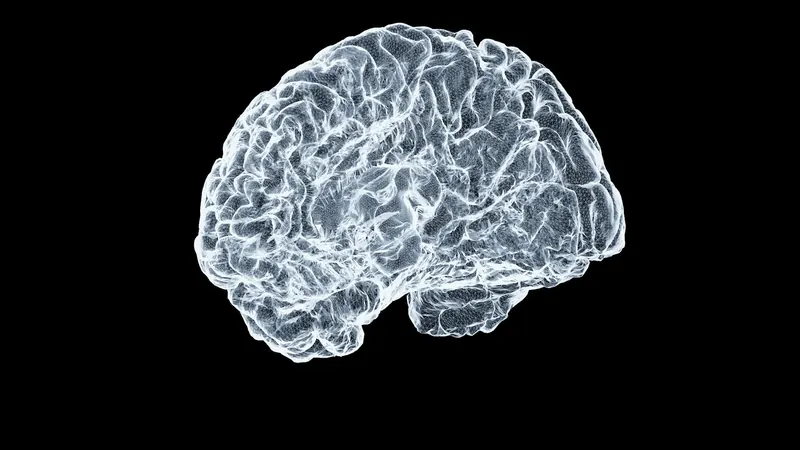
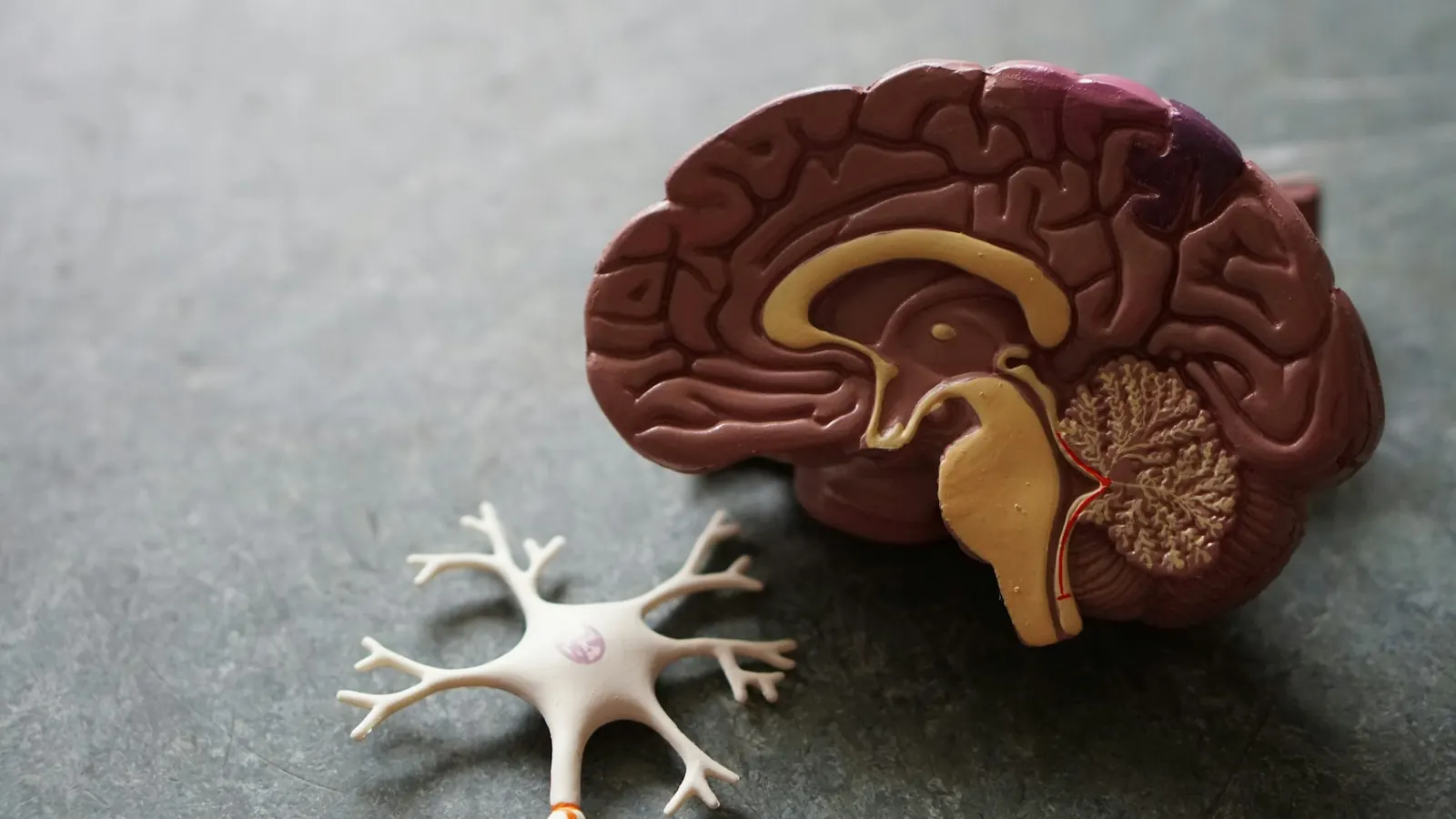
The brain is surrounded by a clear fluid called cerebrospinal fluid (CSF). This fluid is made inside spaces in the brain called ventricles. It flows around the brain and spinal cord and is then absorbed into the blood. In hydrocephalus, the fluid builds up because its flow is blocked or it is not absorbed properly. The ventricles become enlarged and the pressure inside the head can rise.
Read moreShow less
Hydrocephalus may be present at birth (congenital), for example with spina bifida or narrowing of a small channel in the brain called the aqueduct. It can also develop later after bleeding in the brain (haemorrhage), meningitis (infection of the brain coverings), a head injury, or a tumour blocking the fluid's path.
In older adults, a type called normal pressure hydrocephalus (NPH) can cause walking difficulty, memory problems and poor bladder control. It is sometimes mistaken for normal ageing or dementia.
Symptoms
How it is diagnosed

In babies, the doctor measures the head size and plots it on a chart over time. An ultrasound scan through the soft spot on the head can show enlarged ventricles.
Read moreShow less
In children and adults, a CT scan or MRI of the brain shows the size of the ventricles and can often show the cause, such as a blockage or a tumour. An eye examination can show swelling at the back of the eye caused by raised pressure.
For suspected normal pressure hydrocephalus, the doctor may advise a lumbar tap test. Some fluid is removed from the lower back to see whether walking improves. This helps decide whether a shunt is likely to help.
Treatment options
Step 1
Without surgery
Hydrocephalus that causes symptoms usually needs a procedure, because medicines cannot reliably remove the extra fluid over the long term. Some medicines may be used for a short time while treatment is being planned.
Read moreShow less
Mildly enlarged ventricles without symptoms or rising pressure may simply be watched with repeat scans. In some cases, treating the cause, such as removing a tumour that blocks the flow of fluid, can solve the problem.
If needed
When surgery helps
Surgery is advised when hydrocephalus causes symptoms, when the ventricles keep enlarging, or when there are signs of raised pressure. The timing depends on how quickly symptoms are developing. Sudden worsening may need emergency surgery.
Read moreShow less
The most common operation is a VP shunt (ventriculoperitoneal shunt). A thin, soft tube is placed into a ventricle and passed under the skin to the abdomen (tummy), where the fluid is absorbed. A valve controls how much fluid drains.
For some types of blockage, an endoscopic third ventriculostomy (ETV) may be possible. A thin camera is used to make a small new opening inside the brain, so fluid can bypass the block without a shunt. Your neurosurgeon will advise which option suits you or your child.
Recovery and outlook
Most people stay in hospital for a few days after shunt surgery. Symptoms of raised pressure often improve once the fluid is drained. In normal pressure hydrocephalus, walking tends to improve more than memory.
Read moreShow less
A shunt usually stays for life. It can sometimes block, get infected or need adjustment, so regular follow-up is important. Families should learn the warning signs of shunt problems and seek urgent care if they appear. Many children with a shunt go to school and take part in normal activities, with any limits advised by the doctor.
Questions patients ask
Can hydrocephalus be cured?
Hydrocephalus can usually be controlled with a shunt or an endoscopic procedure. If the cause can be removed, such as a tumour blocking the fluid, the problem may settle. Many people need a shunt for life along with regular check-ups.
Is a VP shunt permanent?
Yes, a shunt usually stays in place for life. Parts of it may need to be replaced if it blocks or gets infected, or if a growing child needs a longer tube.
What are the signs that a shunt is not working?
Warning signs include headache, vomiting, drowsiness, irritability, fits, vision problems or the return of earlier symptoms. In babies, watch for a bulging soft spot or fast head growth. These signs need urgent medical attention.
Can adults get hydrocephalus?
Yes. In adults it may follow a brain bleed, head injury, infection or tumour. Older adults can develop normal pressure hydrocephalus, which causes walking difficulty, memory problems and bladder control problems.
Will my child develop normally with hydrocephalus?
Many children with treated hydrocephalus grow and learn well, though some need extra support depending on the cause and how early it was treated. Regular follow-up with the neurosurgeon and your child's paediatrician helps catch problems early.
Where can I get hydrocephalus checked in Indore?
A neurosurgeon should assess suspected hydrocephalus or a shunt problem. If there are warning signs such as vomiting or drowsiness, go to the nearest emergency department instead.
Disclaimer: This information is for general awareness and is not a substitute for a medical consultation. Read moreSource: Content on this website was prepared with the help of AI tools (AI-assisted) and is medically reviewed by Dr. Kshitiz Nigam, MBBS, MS, MCh (Neurosurgery), Reg. No. MP-33282.