
Slip Disc: what it is
Your spine is made of bones called vertebrae. Between each pair of bones is a disc, a soft cushion that absorbs shocks. Each disc has a tough outer ring and a soft, jelly-like centre.
Read moreShow less
A slip disc does not mean the disc has slipped out of place. It means the outer ring has torn or weakened and some of the soft centre has bulged out. If this bulge presses on a nearby nerve, it can cause pain, tingling or weakness.
Slip disc is most common in the lower back (lumbar spine), but it can also happen in the neck (cervical spine). It often starts after lifting, bending or twisting, but it can also come on slowly with age-related wear of the discs.
Symptoms
How it is diagnosed
A neurosurgeon will first ask about your pain, how it started and what makes it better or worse. The examination checks your reflexes, muscle strength and feeling in the legs. The doctor may also do a straight leg raise test (lifting your straight leg while you lie down to see if it brings on leg pain).
Read moreShow less
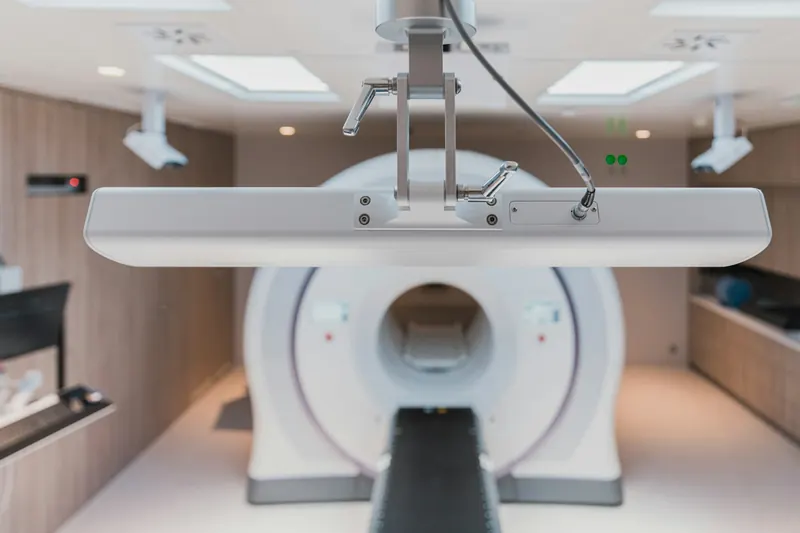
An MRI scan is the main test to see a slip disc and how much it is pressing on the nerves. An MRI is usually not needed in the first few weeks unless there are warning signs, because many disc bulges settle on their own. X-rays show the bones but not the disc. Sometimes nerve conduction tests are advised to check how well the nerves are working.
Many adults have disc bulges on MRI without any pain at all. So your doctor will match the MRI findings with your symptoms and examination before deciding on treatment.
Treatment options
Step 1
Without surgery
Most people with a slip disc improve without surgery, usually over 6 to 12 weeks. The body can slowly shrink the bulged part of the disc, and the irritated nerve settles down.
Read moreShow less
Treatment usually includes a short period of relative rest (not long bed rest), pain relief medicines prescribed by your doctor, and physiotherapy to strengthen the back and core muscles. Staying gently active, such as short walks, often helps recovery. Avoid heavy lifting and sudden twisting while the pain settles.
If leg pain is severe and not settling, your doctor may suggest a nerve root block or epidural steroid injection. This is an injection near the irritated nerve to reduce swelling and pain.
If needed
When surgery helps
Surgery is considered when leg pain stays severe for more than 6 to 12 weeks despite proper non-surgical treatment, when pain stops you from doing daily activities, or when weakness in the leg or foot is getting worse.
Read moreShow less
Surgery is needed urgently if there are signs of cauda equina syndrome (pressure on the bundle of nerves at the bottom of the spine), such as loss of bladder or bowel control or numbness around the private parts. This is a medical emergency. Go to the nearest emergency department straight away.
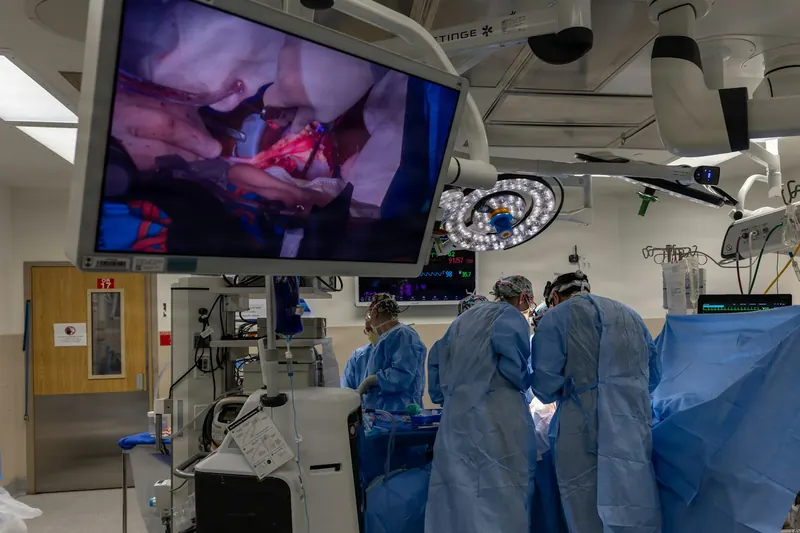
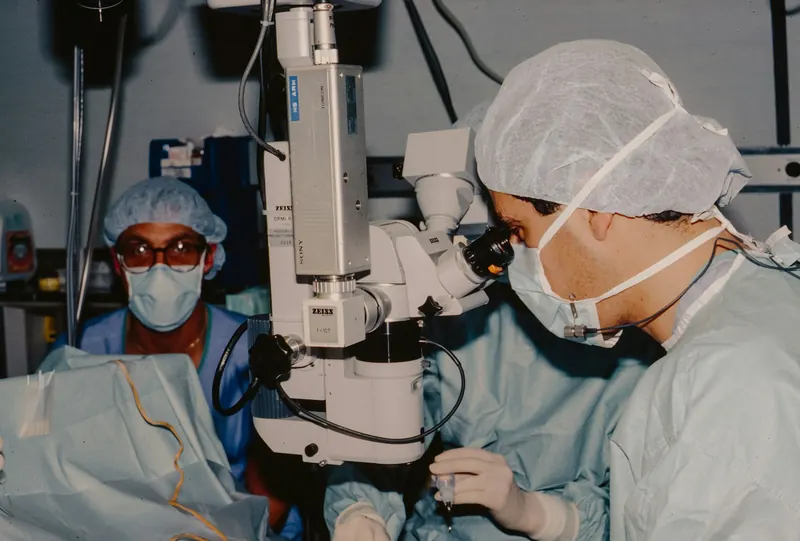
The usual operation removes only the part of the disc that is pressing on the nerve. It can be done through a small cut with a microscope (microscopic discectomy) or through an even smaller opening with a thin camera (endoscopic spine surgery). Your neurosurgeon will explain which approach suits your scan and symptoms.
Recovery and outlook
After slip disc surgery, most people walk on the same day or the next day, and many go home within one to three days. Leg pain often eases soon after surgery, while numbness and tingling may take weeks or months to settle.
Read moreShow less
Many people return to desk work in 2 to 4 weeks and to heavier work after 6 to 12 weeks, depending on the job and the surgeon's advice. Physiotherapy, good posture, regular walking, a healthy weight and safe lifting habits help protect the back. A disc can slip again at the same or another level, so these habits matter in the long term.
Questions patients ask
Will I need surgery for a slip disc?
Most people do not. Many slip discs improve within a few weeks to a few months with rest, medicines and physiotherapy. Surgery is usually advised only if pain does not settle, if weakness is getting worse, or if there are emergency signs such as loss of bladder control.
Can a slip disc heal on its own?
Yes, it often can. The body can slowly absorb part of the bulged disc, and the swelling around the nerve settles. Repeat scans in some people show that the bulge has become smaller over time.
Is complete bed rest good for a slip disc?
Long bed rest is no longer advised. A day or two of rest during severe pain is fine, but gentle movement and short walks usually help you recover faster. Your doctor or physiotherapist will guide you on safe activity.
Is spine surgery safe?
Like any operation, spine surgery has some risks, such as infection, bleeding, nerve injury or the disc slipping again. Serious complications are not common when surgery is done for the right reasons, but they can happen. Your neurosurgeon will explain the risks and benefits for your situation before you decide.
Will a slip disc make me paralysed?
This is a common fear, but paralysis from a slip disc is rare. Most slip discs cause pain and tingling, not paralysis. Warning signs like increasing leg weakness or loss of bladder control should be checked urgently so that treatment is not delayed.
Where can I get a slip disc checked in Indore?
See a neurosurgeon or spine specialist, who will review your symptoms and scans. Bring any previous reports, X-rays or MRI films to the visit.
Disclaimer: This information is for general awareness and is not a substitute for a medical consultation. Read moreSource: Content on this website was prepared with the help of AI tools (AI-assisted) and is medically reviewed by Dr. Kshitiz Nigam, MBBS, MS, MCh (Neurosurgery), Reg. No. MP-33282.