Sciatica: what it is
The sciatic nerve is the largest nerve in the body. It is formed by nerve roots that come out of the lower spine, and it runs through the buttock and down the back of each leg to the foot.
Read moreShow less
Sciatica is not a disease on its own. It is a name for pain along the path of this nerve. The most common cause is a slip disc pressing on a nerve root. Other causes include narrowing of the spinal canal with age (lumbar canal stenosis), one spinal bone slipping forward over another (spondylolisthesis) and, less often, infection or a tumour.
Sciatica usually affects one leg. It is most common in working-age adults, and in people who do heavy lifting or sit for long hours.
Symptoms
How it is diagnosed
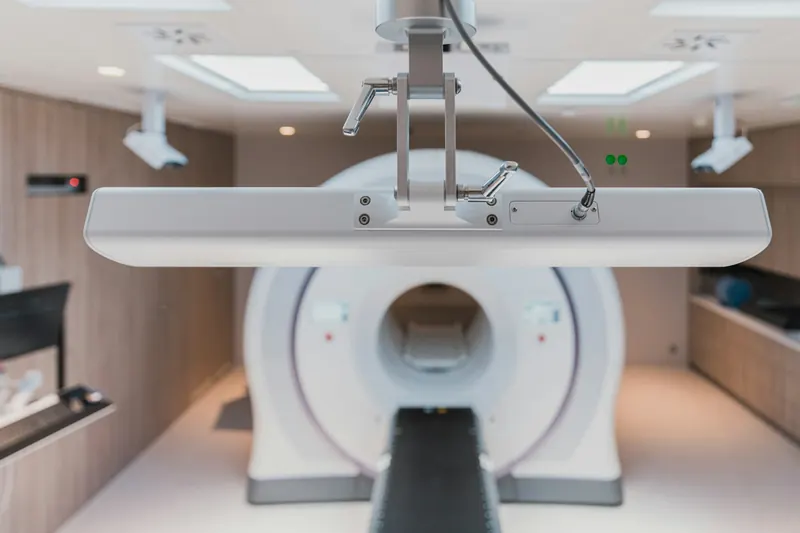
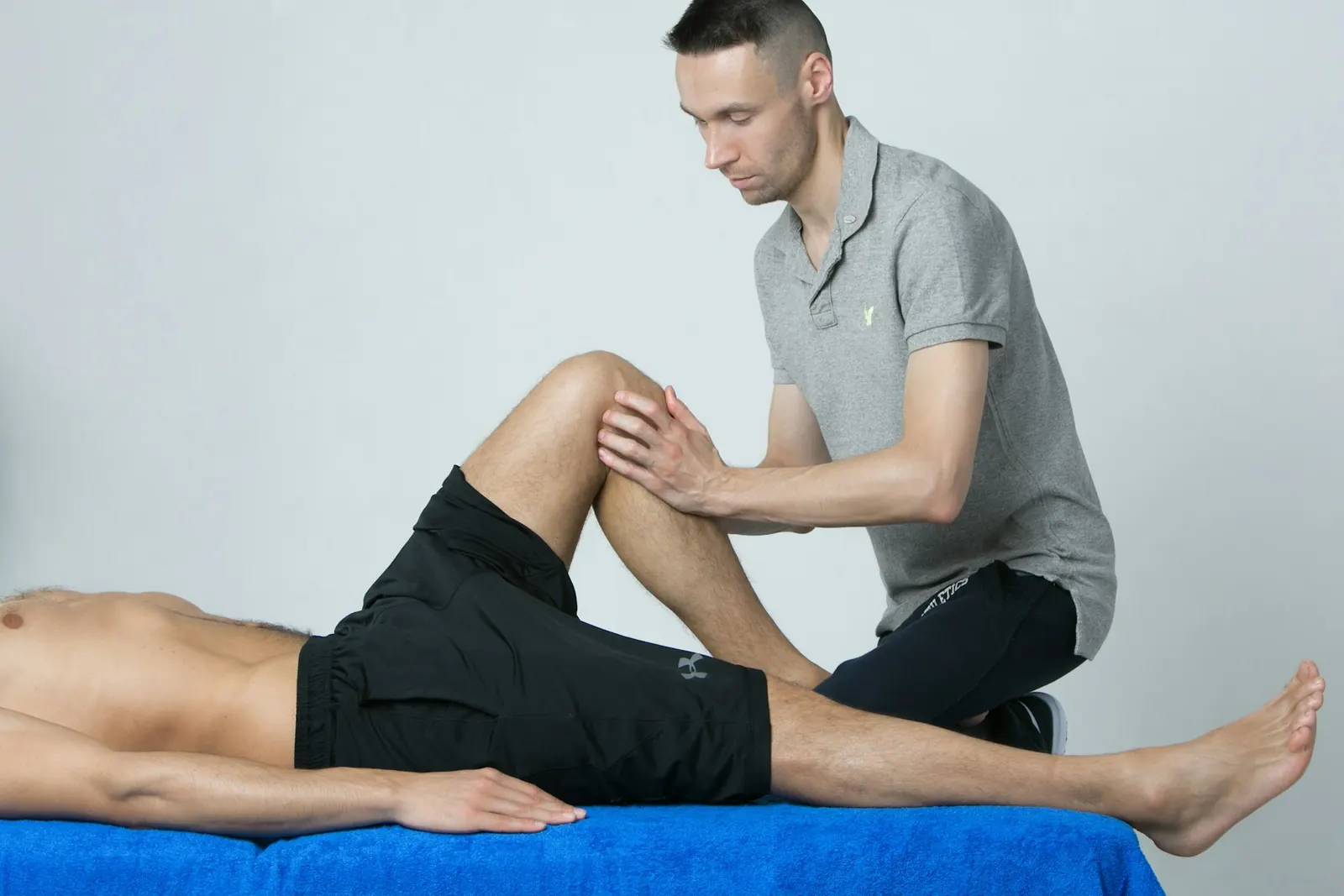
The diagnosis is mostly made from your symptoms and a careful examination. The doctor checks your strength, reflexes and feeling in the legs, and may do the straight leg raise test (lifting your straight leg while you lie down).
Read moreShow less
An MRI of the lower spine is advised if pain does not improve after several weeks of treatment, if there are warning signs, or if an injection or surgery is being planned. The MRI shows which nerve root is pressed and what is pressing on it. X-rays and blood tests may be done if infection, a fracture or another cause is suspected.
Treatment options
Step 1
Without surgery
Most sciatica gets better on its own within 4 to 6 weeks, and many more people improve over the next few months. Non-surgical care is the first step for most people.
Read moreShow less
This usually includes pain relief prescribed by your doctor, staying gently active, and physiotherapy with exercises for the back and core muscles. A warm pack can ease muscle spasm. Avoid long periods of sitting, heavy lifting and sudden bending while the nerve settles.
If the leg pain is severe and is not settling, a nerve root block (an injection of medicine around the irritated nerve) may be advised to reduce pain and help you do your exercises.
If needed
When surgery helps
Surgery is considered when severe leg pain lasts beyond 6 to 12 weeks despite good non-surgical care, when there is weakness that is getting worse, or when the pain keeps coming back and affects work and daily life. The MRI must also show a cause that matches your symptoms.
Read moreShow less
Loss of bladder or bowel control, or numbness around the private parts, needs emergency assessment and often urgent surgery. Do not wait for a routine appointment if this happens.
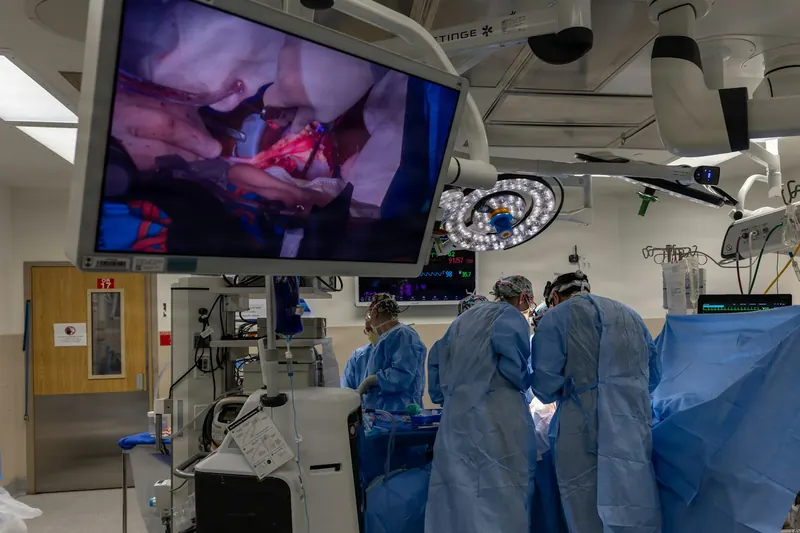
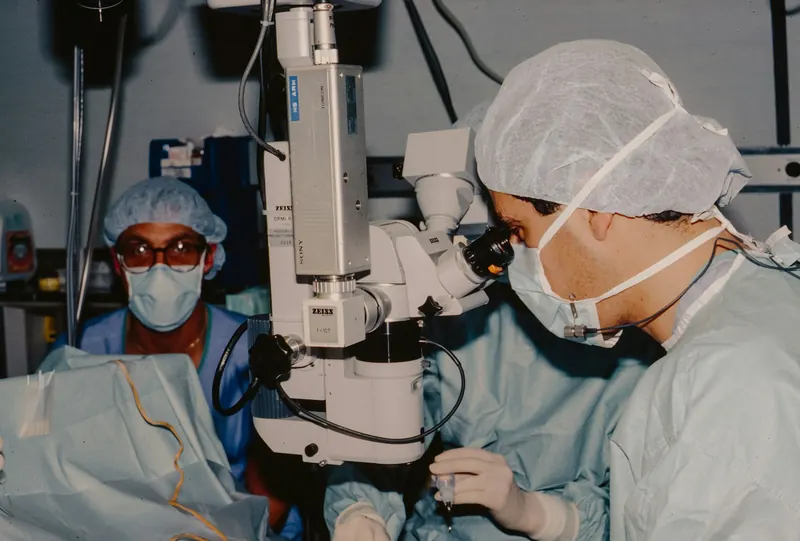
When sciatica is caused by a slip disc, the usual surgery is a discectomy, which removes the part of the disc pressing on the nerve. This can be done through a small cut with a microscope or an endoscope (a thin camera).
Recovery and outlook
With non-surgical care, the pain usually eases slowly over weeks. Numbness may take longer to go away than pain. Staying active and continuing your exercises helps stop the pain from coming back.
Read moreShow less
After surgery, most people walk within a day and go home within a few days. Leg pain often improves quickly, while tingling settles more slowly. Your surgeon will guide you on when to return to work, driving and lifting.
Questions patients ask
How long does sciatica take to get better?
Most sciatica improves within 4 to 6 weeks. In some people it takes up to 3 months. If the pain is very severe, or does not improve after this time, see a doctor for a review.
Do I need an MRI for sciatica?
Not always in the first few weeks. An MRI is usually advised if pain does not improve with treatment, if there is weakness or another warning sign, or if an injection or surgery is being planned.
Is sciatica a nerve problem or a bone problem?
Sciatica is pain from a pressed or irritated nerve. The pressure usually comes from a disc or from narrowing of the spine around the nerve. This is why a neurosurgeon or spine specialist often looks after it.
Can exercise help sciatica?
Yes. Gentle exercise and walking often help, and a physiotherapist can teach you safe stretches and core exercises. Avoid exercises that sharply increase the leg pain, and ask your doctor before starting a new routine.
Will sciatica come back after it gets better?
It can come back in some people, especially with heavy lifting, long sitting or weak back muscles. Regular exercise, good posture and safe lifting habits lower the chance of it returning.
Who can I consult for sciatica in Indore?
See a neurosurgeon or spine specialist if your leg pain is not settling or you have weakness. Bring any previous scans and reports with you.
Disclaimer: This information is for general awareness and is not a substitute for a medical consultation. Read moreSource: Content on this website was prepared with the help of AI tools (AI-assisted) and is medically reviewed by Dr. Kshitiz Nigam, MBBS, MS, MCh (Neurosurgery), Reg. No. MP-33282.