What is endoscopic spine surgery?
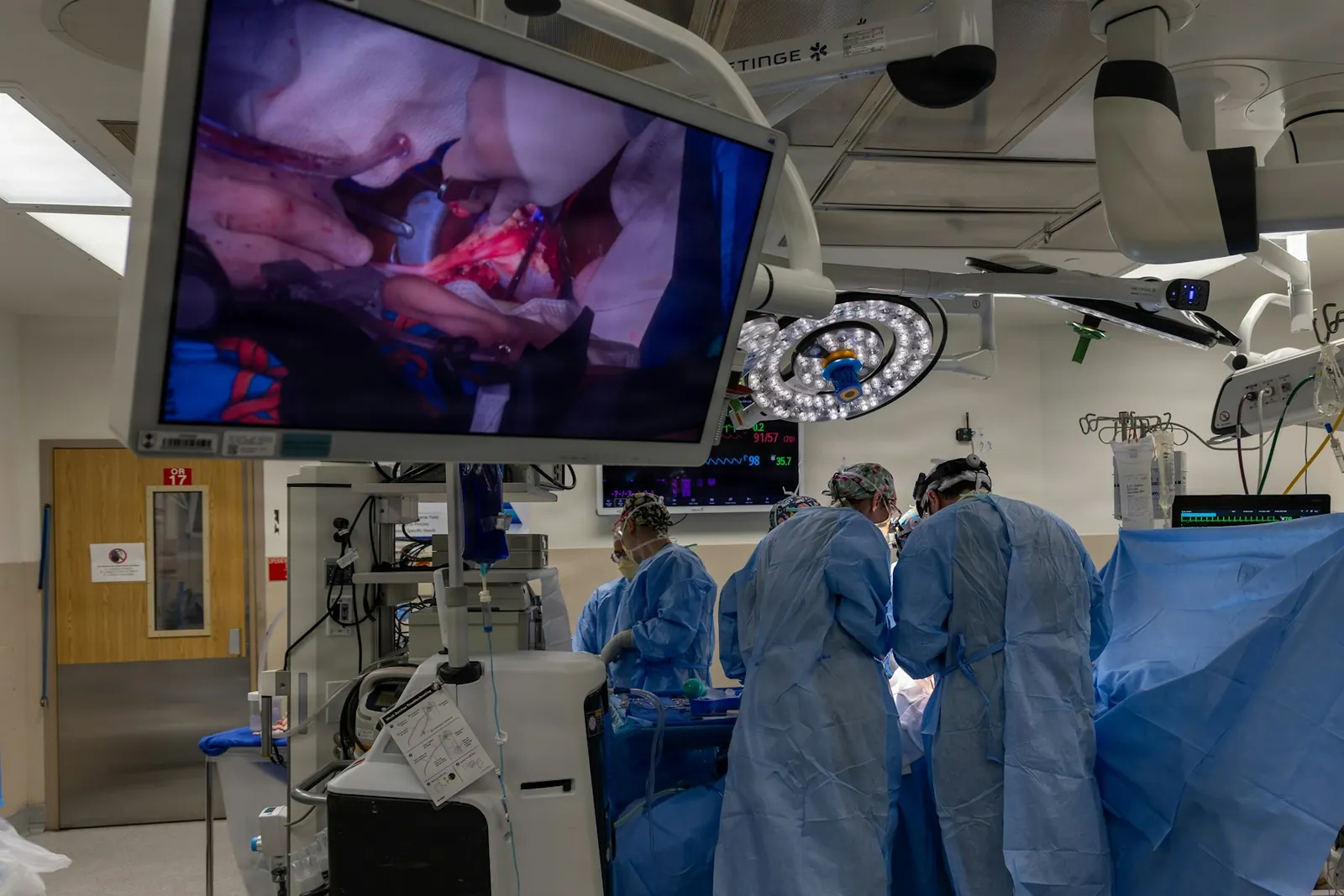
Endoscopic spine surgery is done through a small cut in the skin, usually about 1 cm long. The surgeon passes a thin tube with a camera and light (an endoscope) to the problem area. The picture is shown on a screen, and small tools are passed through the same tube.
Read moreShow less
It is most often used for a slipped disc (herniated disc), where part of the soft cushion between two spine bones bulges out and presses on a nerve. This can cause sciatica (pain running down the leg). In some patients it is also used to widen a narrow space around a nerve (stenosis).
Because the cut is small and the back muscles are moved aside rather than cut, many patients have less pain after the operation and go home sooner. It is not suitable for every spine problem. Your surgeon will decide after examining you and studying your MRI scan.
Who may need it
Surgery is one option, not the only one. It is decided after an examination and a careful look at your scans, and non-surgical treatment is discussed first where it is suitable.
How it is done
- 1
You are given anaesthesia. Depending on the approach, this may be general anaesthesia (fully asleep) or local anaesthesia (numbing medicine) with sedation (medicine to keep you relaxed and drowsy).
- 2
You lie on your stomach or side. The surgeon uses live X-ray to find the exact level of the problem.
- 3
A small cut, usually about 1 cm, is made in the skin of the back or side.
- 4
A thin tube is gently passed to the disc or nerve, and the endoscope is placed inside it.
- 5
Using small tools seen on the screen, the surgeon removes the bulging piece of disc or the bone and tissue pressing on the nerve.
- 6
The tools are removed and the cut is closed with one or two stitches or skin glue, and a small dressing is applied.
Possible risks
Every operation carries some risk. Your surgeon will explain which of these apply to you.
Preparing for surgery
Recovery
Most patients can walk a few hours after the operation. Many go home the same day or the next day. Leg pain often improves soon after surgery, but numbness or tingling can take weeks or months to settle.
Read moreShow less
For the first few weeks, walk every day, avoid lifting heavy weights, and avoid bending and twisting suddenly. Many people with desk jobs return to work in about 1 to 3 weeks. Heavy physical work usually needs a longer break, as your surgeon will advise.
A physiotherapist may teach you exercises to strengthen your back and stomach muscles. Keeping a healthy weight, good posture and safe lifting habits helps lower the chance of the disc slipping again.
Questions patients ask
Is endoscopic spine surgery better than open surgery?
Not always. For the right patient it uses a smaller cut and disturbs less muscle, which often means less pain after surgery and a shorter hospital stay. For many disc problems, long-term results are similar to microscopic surgery. The right choice depends on your scan findings and your surgeon's advice.
Will I be awake during the operation?
It depends on the approach and your health. Some endoscopic operations are done with local anaesthesia and sedation, so you are relaxed and comfortable but may be partly awake. Others are done under general anaesthesia. Your surgeon and anaesthetist will explain which is planned for you.
Does every slip disc need surgery?
No. Many slipped discs get better on their own within a few weeks with rest, medicines and physiotherapy. Surgery is usually considered when pain does not improve, when it stops you from daily life, or when there is weakness or loss of bladder or bowel control.
How long will I stay in hospital?
Many patients go home the same day or the next day. Some need a little longer, depending on their age, other illnesses and how they feel after surgery.
Can the disc slip again after surgery?
Yes, it can. The operation removes only the bulging part of the disc, so the remaining disc can slip again in some people. Regular exercise, safe lifting and avoiding smoking can help lower this chance.
How do I know if I am a suitable candidate?
This needs a proper examination and a review of your MRI. A neurosurgeon can discuss your scans with you and explain whether this or another treatment suits you.
Disclaimer: This information is for general awareness and is not a substitute for a medical consultation. Read moreSource: Content on this website was prepared with the help of AI tools (AI-assisted) and is medically reviewed by Dr. Kshitiz Nigam, MBBS, MS, MCh (Neurosurgery), Reg. No. MP-33282.