
Head Injury: what it is
A head injury is any injury to the scalp, skull or brain. Common causes include road accidents (especially two-wheeler accidents without a helmet), falls from a height, falls in older people, and assaults.
Read moreShow less
A mild head injury may cause a short-lived headache or dizziness. A concussion is a mild brain injury that can cause short-term confusion, headache or memory gaps. More serious injuries can cause a skull fracture, bruising and swelling of the brain, or bleeding around or inside the brain. A collection of blood is called a haematoma, for example an extradural or subdural haematoma.
Bleeding inside the skull can sometimes develop or grow over hours after the injury, even when the person seemed fine at first. In older people and those taking blood-thinning medicines, a slow bleed (chronic subdural haematoma) can appear days or weeks after even a minor fall.
Symptoms
How it is diagnosed
In the emergency department, doctors first check breathing, blood pressure and the level of consciousness, often using the Glasgow Coma Scale (GCS), a score of how awake and responsive the person is. They also check the pupils and limb movements, and look for other injuries, including to the neck.
Read moreShow less
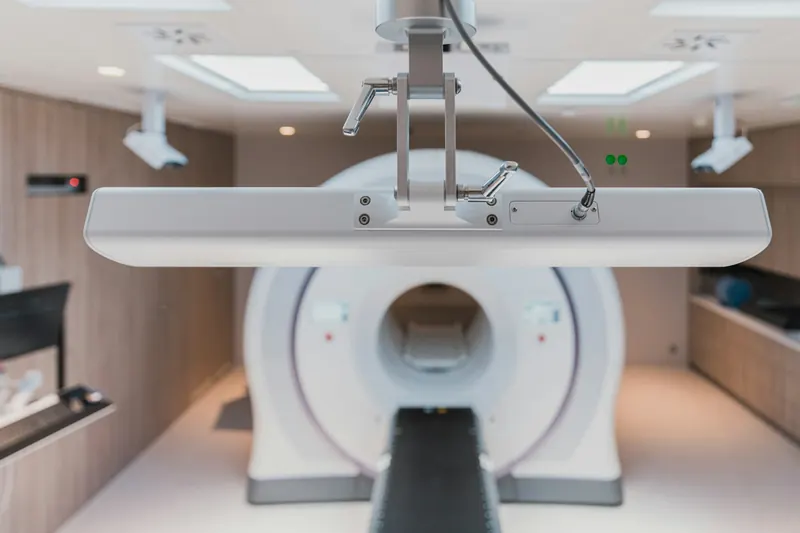
A CT scan of the head is the main test after a head injury. It quickly shows skull fractures and bleeding. It is advised for people with warning signs, older people and those on blood-thinning medicines. A CT scan of the neck may also be done if a spine injury is possible. An MRI is sometimes used later to look for smaller injuries.
People with a mild injury and a normal scan may be observed for some hours before going home.
Treatment options
Step 1
Without surgery
First aid at the scene: call emergency services on 108 or 112. If the person is unconscious or has neck pain, do not move the head or neck unless there is danger, such as fire or traffic. Keep the person still, check that they are breathing, and press gently on any bleeding wound with a clean cloth. Do not give anything to eat or drink, and do not remove a helmet unless it is needed to help breathing.
Read moreShow less
Most mild head injuries do not need surgery. Rest, simple pain relief advised by a doctor, and watching for warning signs over the next 24 to 48 hours are usually enough. Someone should stay with the injured person for the first day.
Moderate and severe injuries are managed in hospital, often in an intensive care unit (ICU). Care includes support for breathing, controlling the pressure inside the skull, preventing seizures and treating other injuries. Small bleeds may be watched with repeat scans and may not need an operation.
If needed
When surgery helps
Emergency surgery may be needed when a blood clot is pressing on the brain, such as a large extradural or subdural haematoma, or when there is a depressed skull fracture (a piece of skull pushed inward). Removing the clot quickly relieves pressure on the brain.
Read moreShow less
In severe brain swelling, the surgeon may remove a piece of the skull for some time (decompressive craniectomy) to give the brain room to swell. The bone is usually put back later. A small tube may also be placed to measure the pressure or drain fluid.
A chronic subdural haematoma in an older person is often treated through one or two small holes in the skull (burr holes) to drain the old blood.
Recovery and outlook
Recovery from a mild head injury is usually quick, within days to a few weeks. Some people have headache, poor sleep, low mood or poor concentration for longer, which is called post-concussion syndrome. Rest from screens and heavy activity at first, followed by a slow return to work, school and sport, helps.
Read moreShow less
Recovery from a severe head injury can take months and may need physiotherapy, speech therapy and rehabilitation. Progress varies a lot from person to person. Wearing a helmet on a two-wheeler and a seat belt in a car greatly lowers the risk of serious head injury.
Questions patients ask
When should I go to hospital after a head injury?
Go to an emergency department straight away if there was loss of consciousness, vomiting, a fit, worsening headache, confusion, weakness, or fluid from the nose or ears. Older people and anyone on blood-thinning medicines should also be checked, even after a minor injury. Call 108 or 112 if you need an ambulance.
Is it safe to let someone sleep after a head injury?
If a doctor has checked the person and found no warning signs, sleep is fine and helps recovery. On the first night, a family member may wake them once or twice to check that they wake easily and are not confused. If they are hard to wake, call for emergency help.
Does every head injury need a CT scan?
No. Doctors decide based on how the injury happened, the person's age, their symptoms and the examination. A CT scan is advised when there are warning signs, for older people, and for those on blood-thinning medicines.
Can bleeding in the brain happen days after a fall?
Yes, especially in older people and those on blood-thinning medicines. A slow bleed called a chronic subdural haematoma can cause headache, confusion, weakness or unsteady walking days or weeks later. If these appear after a fall, see a doctor promptly.
Why does wearing a helmet matter?
A good helmet that is properly fastened absorbs much of the force of a fall or crash and protects the skull and brain. This applies to both the rider and the pillion rider. Many serious head injuries from two-wheeler accidents could be less severe with a helmet.
Disclaimer: This information is for general awareness and is not a substitute for a medical consultation. Read moreSource: Content on this website was prepared with the help of AI tools (AI-assisted) and is medically reviewed by Dr. Kshitiz Nigam, MBBS, MS, MCh (Neurosurgery), Reg. No. MP-33282.