Epilepsy: what it is
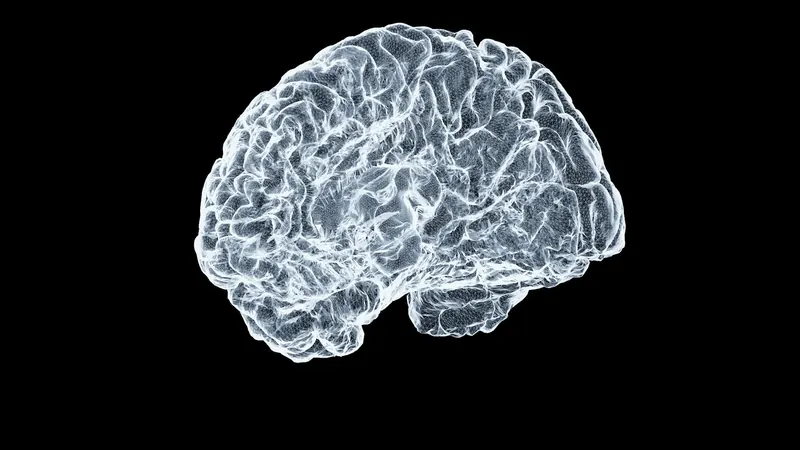
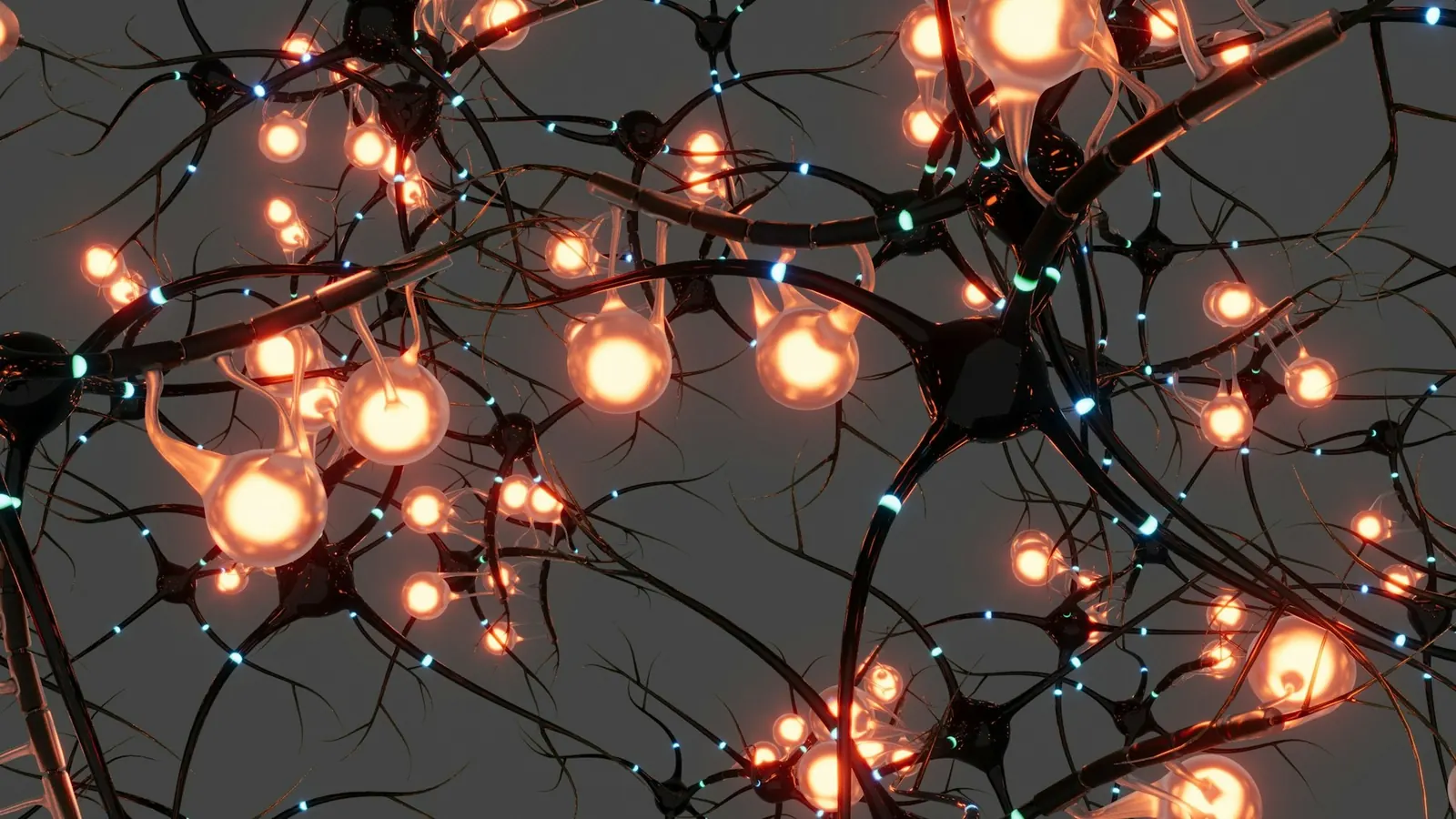
The brain works using tiny electrical signals. A seizure, also called a fit, is a sudden burst of abnormal electrical activity in the brain. Depending on which part of the brain is involved, it can cause shaking, stiffness, staring spells, unusual feelings or loss of awareness.
Read moreShow less
Epilepsy is usually diagnosed when a person has had two or more seizures without a clear trigger (such as high fever or very low sugar), or one such seizure with a high chance of more. It is a medical condition of the brain. It is not a mental illness, it is not contagious, and it is not caused by spirits or bad luck.
Common causes include brain injury around the time of birth, head injury, brain infections such as neurocysticercosis (a tapeworm infection of the brain that is common in India), stroke, brain tumours and genetic factors. In many people, no cause is found.
Symptoms
How it is diagnosed
The most useful information often comes from someone who saw the seizure. If it is safe to do so, a family member can record a short video on a phone to show the doctor.
Read moreShow less
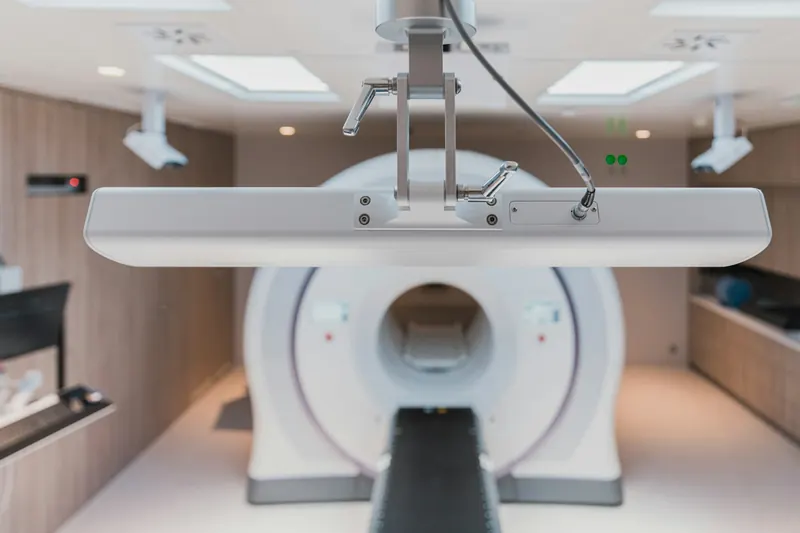
An EEG (electroencephalogram) records the brain's electrical activity using small sensors placed on the scalp. An MRI of the brain looks for causes such as scars, tumours, infections or areas that did not develop normally. Blood tests may be done to rule out other causes.
For people whose seizures continue despite medicines, specialist tests may be advised, such as longer video EEG monitoring and special MRI scans, to find where the seizures start in the brain.
Treatment options
Step 1
Without surgery
Most people with epilepsy are treated with anti-seizure medicines, prescribed and monitored by a neurologist. Many people become seizure-free or have far fewer seizures with the right medicine. Medicines must be taken every day and should never be stopped suddenly without your doctor's advice.
Read moreShow less
Simple habits help: regular sleep, avoiding alcohol, taking medicines on time and managing stress. Do not drive, swim alone or work at heights until your doctor says it is safe.
First aid for a seizure: stay calm, move hard or sharp objects away, put something soft under the head, and turn the person on their side once the jerking stops. Do not put anything in the mouth, do not hold the person down, and do not make them smell shoes or onions. Note the time. Call 108 or 112 if the seizure lasts more than 5 minutes, another seizure follows, or the person is injured or not breathing normally.
If needed
When surgery helps
Epilepsy surgery is considered only for a selected group of people. These are usually people whose seizures continue despite trying at least two suitable medicines properly (drug-resistant epilepsy), and only after a detailed evaluation by an epilepsy team that includes a neurologist and a neurosurgeon.
Read moreShow less
If tests show that seizures start from one area of the brain that can be removed safely, such as a scar, a small tumour or an abnormal area in the temporal lobe, surgery to remove it may reduce or stop the seizures. Other options include disconnection operations or a device that stimulates a nerve in the neck. Your neurologist will refer you if you may be suitable.
When seizures are caused by a brain tumour, an abscess or an abnormal blood vessel, treating that cause, often with surgery, can also help control the seizures.
Recovery and outlook
With good treatment, many people with epilepsy study, work, marry, have children and live full lives. Regular follow-up with the neurologist helps adjust medicines and watch for side effects. Women with epilepsy who are planning a pregnancy should talk to their doctor in advance.
Read moreShow less
After epilepsy surgery, people usually stay in hospital for several days and continue their medicines for some time. Any change in medicines is decided by the treating team based on follow-up.
Questions patients ask
Does every person with epilepsy need surgery?
No. Most people with epilepsy are treated with medicines by a neurologist and never need surgery. Surgery is considered only when seizures continue despite proper medicines and tests show a clear source in the brain that can be treated safely.
Should I see a neurologist or a neurosurgeon for fits?
Start with a neurologist, who diagnoses epilepsy and manages medicines. A neurosurgeon becomes involved when a brain scan shows a cause that may need an operation, such as a tumour, or when the epilepsy team considers surgery for drug-resistant seizures.
Can epilepsy be cured?
Many people have their seizures well controlled with medicines, and some can stop medicines after several seizure-free years under a doctor's guidance. For a small group with drug-resistant epilepsy, surgery may help after specialist evaluation.
Can a person with epilepsy marry and have children?
Yes. Epilepsy does not stop a person from marrying or having children. Women should plan pregnancy with their doctor, as some medicines may need to be changed before pregnancy.
What should I do if someone has a fit?
Keep them safe from injury, turn them on their side when the jerking stops, and do not put anything in their mouth. Note how long the seizure lasts. Call 108 or 112 if it lasts more than 5 minutes, happens again, or the person does not wake up.
Disclaimer: This information is for general awareness and is not a substitute for a medical consultation. Read moreSource: Content on this website was prepared with the help of AI tools (AI-assisted) and is medically reviewed by Dr. Kshitiz Nigam, MBBS, MS, MCh (Neurosurgery), Reg. No. MP-33282.